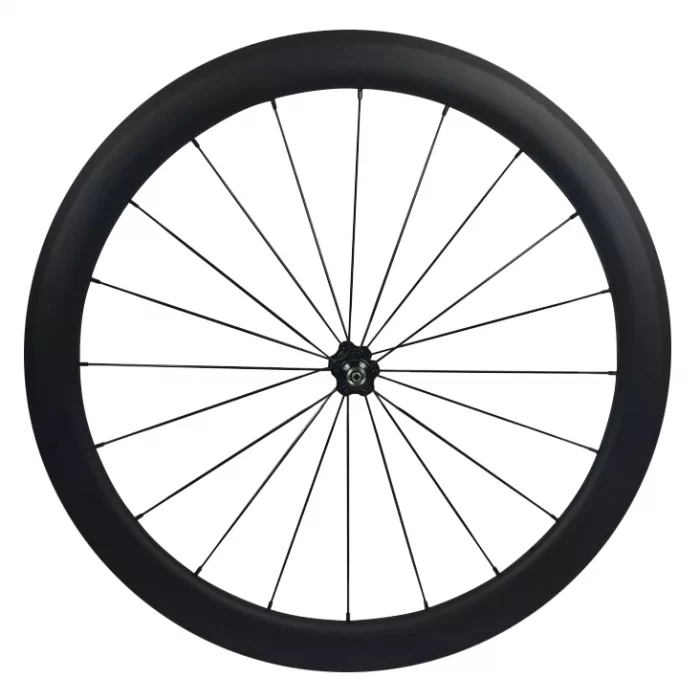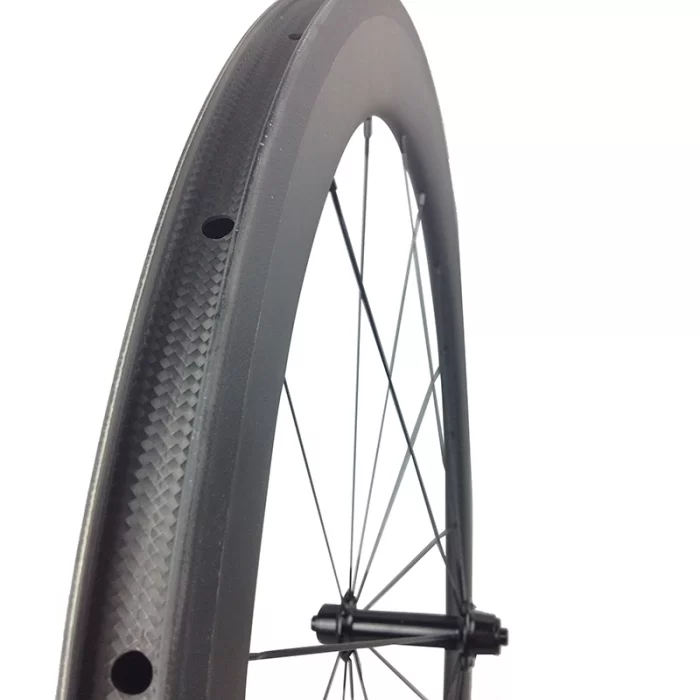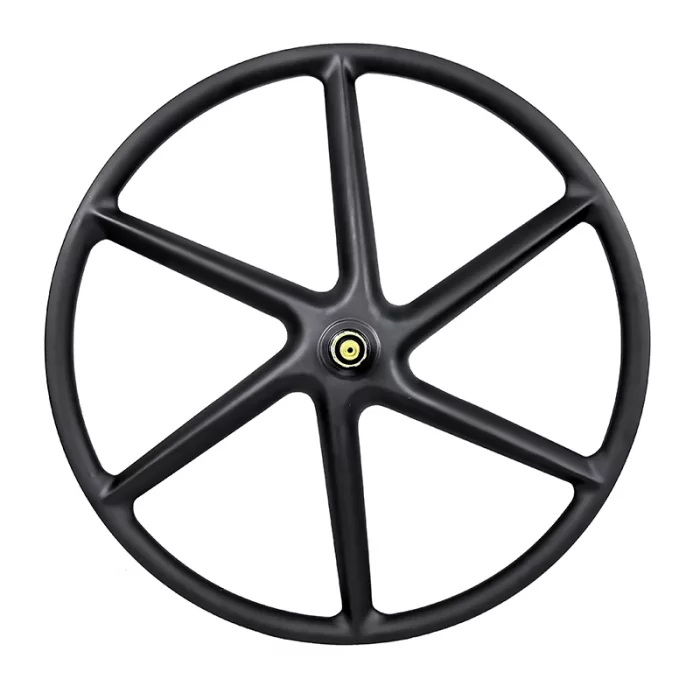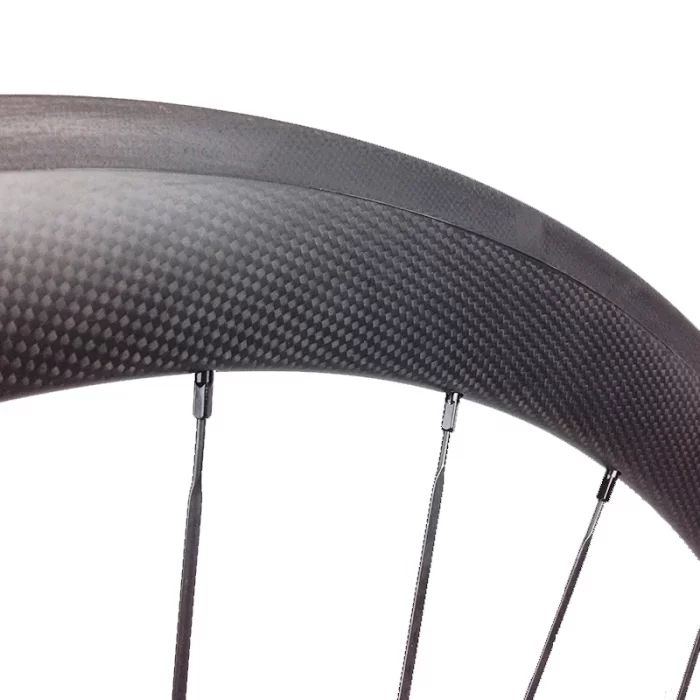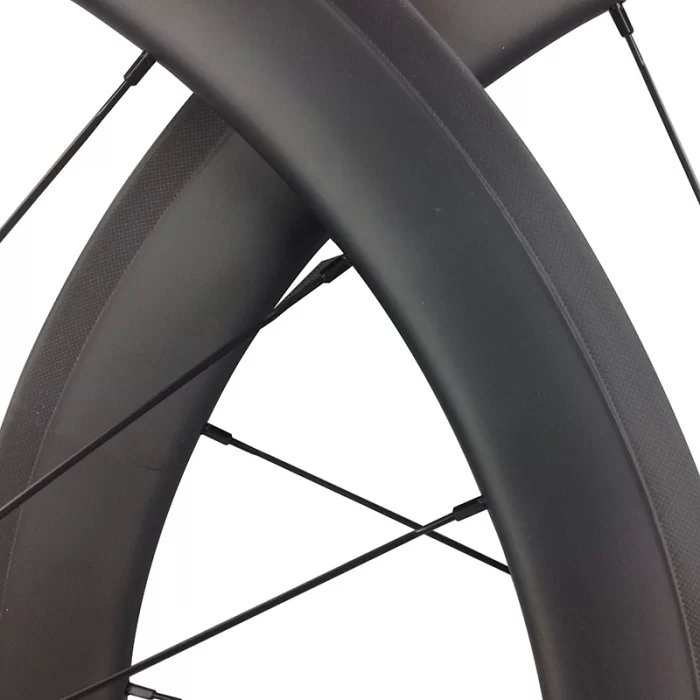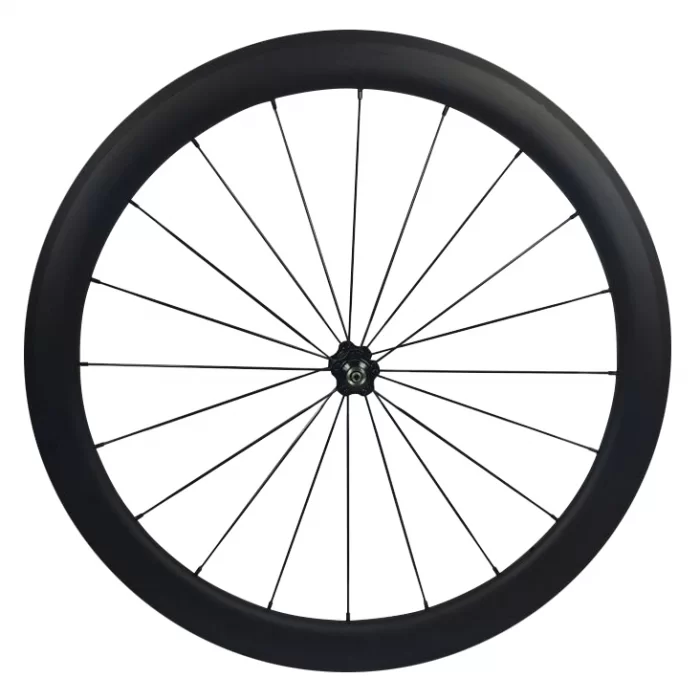
Climbing rides are one of the most challenging and rewarding aspects of road cycling. Whether tackling long mountain passes or short, steep hills, riders must rely on efficient power transfer, lightweight equipment, and precise handling to reach the summit. Carbon bike wheels have become a popular choice for climbing because they offer an exceptional balance of low weight, stiffness, and performance. For cyclists who frequently ride in mountainous terrain, upgrading to carbon wheels can significantly improve climbing efficiency and overall riding experience.
One of the most important advantages of carbon bike wheels in climbing rides is their lightweight construction. Carbon fiber is known for its high strength-to-weight ratio, allowing manufacturers to produce extremely light yet strong rims. In climbing scenarios, every gram matters because riders must constantly work against gravity. Lighter wheels reduce rotational mass, meaning less energy is required to accelerate and maintain momentum while riding uphill. This helps cyclists conserve energy during long climbs and maintain a steady cadence over extended periods.
Reduced rotational weight is especially important because wheels are one of the most dynamic components of a bicycle. When the wheel weight decreases, the effort required to spin the wheels also decreases. As a result, riders can respond more quickly to changes in gradient, accelerate faster out of corners, and maintain a smoother rhythm while climbing. For cyclists riding steep mountain roads or participating in hill climb events, this advantage can make a noticeable difference in performance.
Another key benefit of carbon bike wheels during climbing rides is their stiffness and power transfer efficiency. High-quality carbon rims and spoke designs create a stiff wheel structure that minimizes flex under heavy pedaling forces. When riders stand up on the pedals to tackle steep sections, the power generated by their legs is transferred more directly to the drivetrain and wheels. This improved efficiency ensures that more energy goes into forward motion rather than being lost through wheel deformation.
Handling and stability are also important when climbing, particularly on winding mountain roads. Carbon bike wheels are designed with precise engineering that enhances responsiveness and control. When navigating tight switchbacks or technical uphill sections, responsive wheels allow cyclists to steer more accurately and maintain balance even at lower speeds. This improved control can increase rider confidence when climbing challenging routes.
While climbing performance is crucial, comfort during long ascents should not be overlooked. Modern carbon wheel technology allows manufacturers to tune the layup of carbon fibers in the rim structure. This means the wheel can maintain stiffness where power transfer is needed while still absorbing some road vibrations. During extended climbs on rough or uneven pavement, this vibration damping can reduce fatigue and improve overall comfort.
Carbon bike wheels also provide benefits when the climb transitions into a descent. After reaching the top of a mountain, cyclists often face fast downhill sections. Carbon wheels designed for climbing typically offer a balanced combination of lightweight design and aerodynamic efficiency. This allows riders to maintain stability and speed during descents while still benefiting from the low weight during the climb itself.
Another advantage is the compatibility of carbon wheels with modern tire technologies. Many climbing-focused carbon wheelsets support wider road tires or tubeless systems. Wider tires can improve traction on steep gradients and rough mountain roads, while tubeless setups allow riders to use lower tire pressures for better grip and comfort. This combination is particularly useful when climbing on varied road surfaces.
In addition, carbon bike wheels are increasingly durable and reliable thanks to improvements in manufacturing technology. Advanced carbon fiber layups, reinforced rim structures, and high-quality resins have made modern carbon wheels capable of handling demanding mountain environments. Riders can confidently use them not only for racing but also for regular climbing rides and high-altitude training.
Overall, carbon bike wheels are an excellent choice for climbing rides. Their lightweight construction reduces the effort required to ride uphill, while their stiffness ensures efficient power transfer during intense pedaling. Improved handling, comfort, and compatibility with modern tire systems further enhance their suitability for mountainous terrain. For cyclists seeking better performance on steep climbs and long mountain routes, carbon bike wheels provide a valuable upgrade that can transform the climbing experience and help riders reach new heights in their cycling performance.